
Foreign interference: UK politics and the attack of the C4s

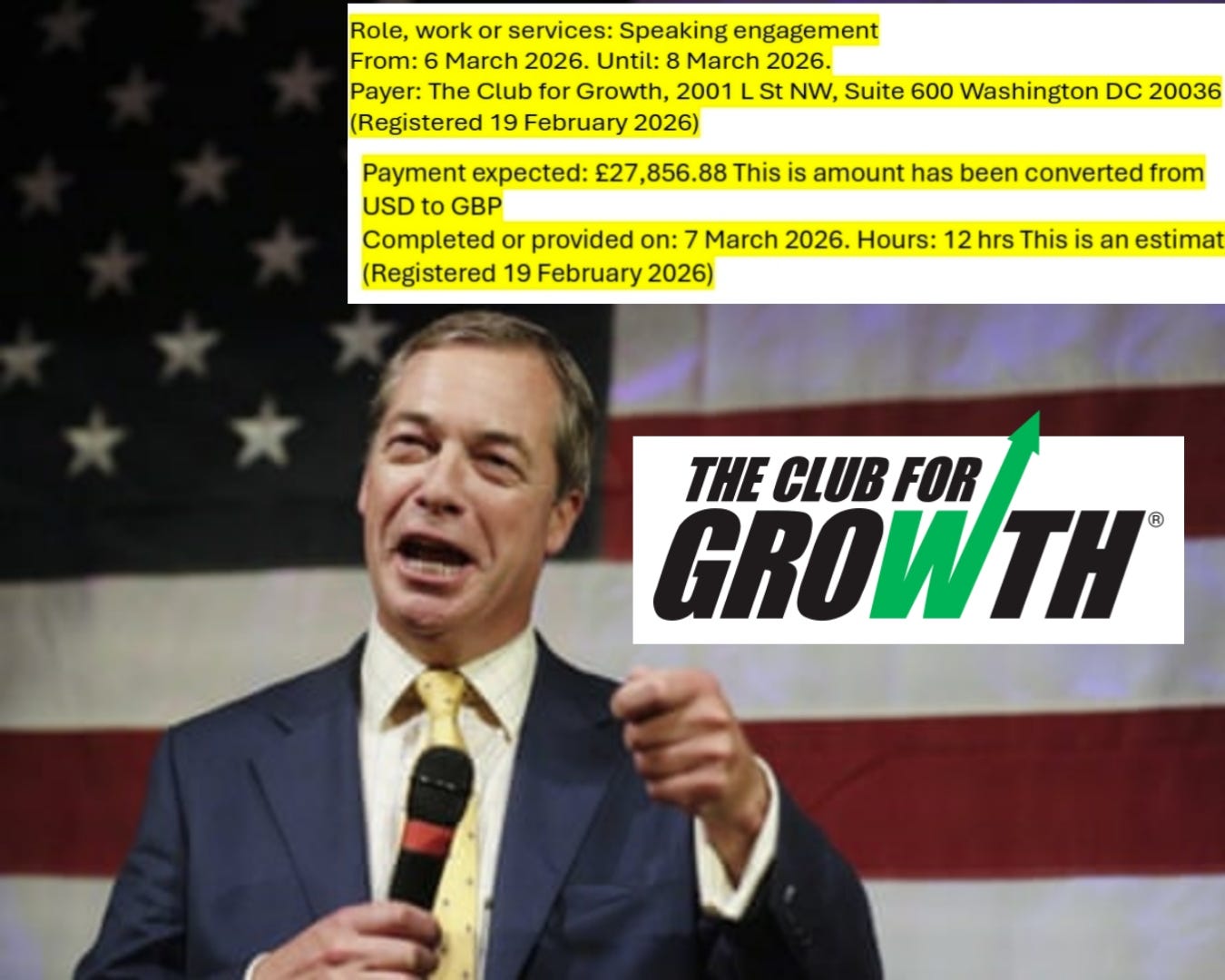
£27,856.88
That’s the figure sitting in the register. Two days in March. Twelve hours’ work. Paid by the Club for Growth in Washington, D.C. Declared properly.
On its face, it’s a routine speaking fee. British politicians do the US conference circuit all the time. Americans pay well. Paperwork gets filed. Move on.
Except the name on the invoice isn’t a university or a trade body. It’s one of the more aggressive political operators in the American conservative movement.
The Club for Growth isn’t subtle about what it does. It backs Republican candidates who fit its low-tax, free-market line and spends hard against those who don’t. In the 2024 election cycle its political arms reportedly pulled in around $164 million. That’s not small-change conference money. That’s serious electoral machinery.
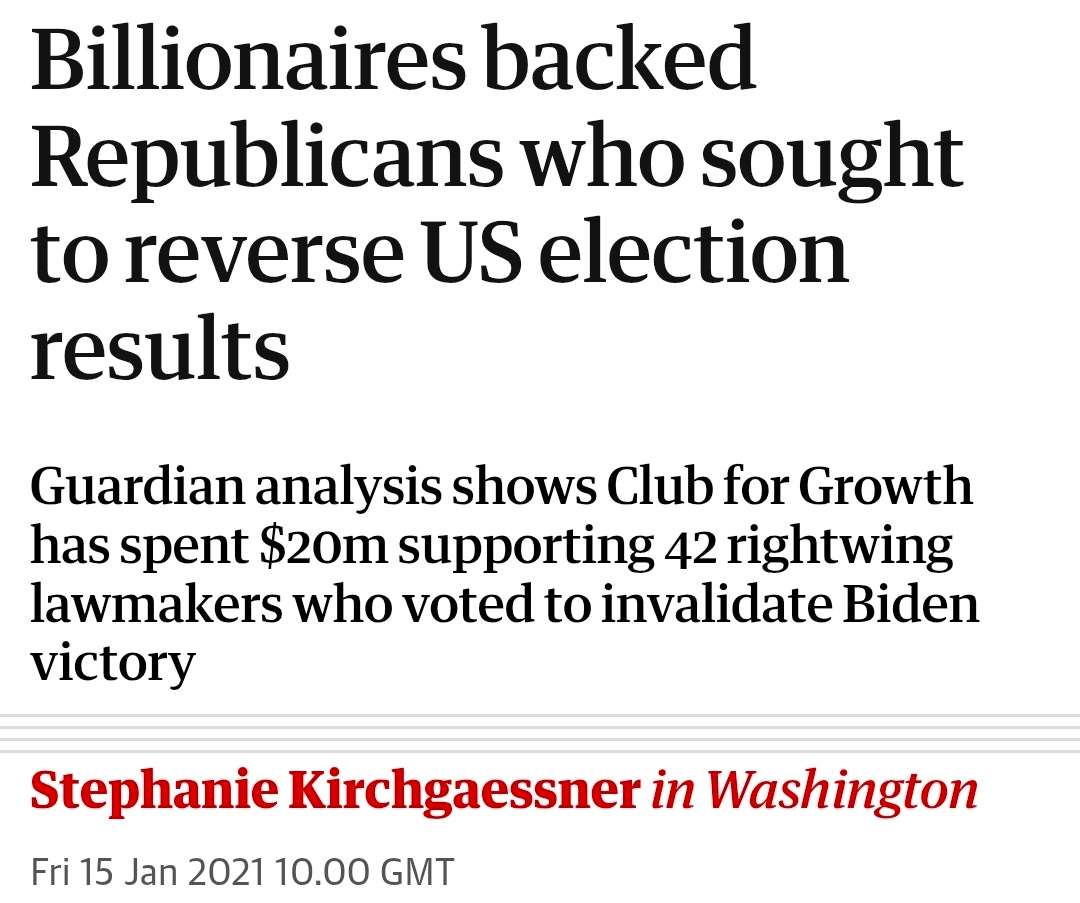
Structurally, the group operates through a 501(c)(4) - an American nonprofit category that allows political advocacy. C4s can raise unlimited funds and spend heavily on elections. They’re legal, but they’re controversial because donor disclosure isn’t as straightforward as it is with campaign committees.
Farage’s entry lists the payment as a speaking engagement. Under UK rules, outside earnings are allowed if declared. He declared it. There’s no evidence of a breach.
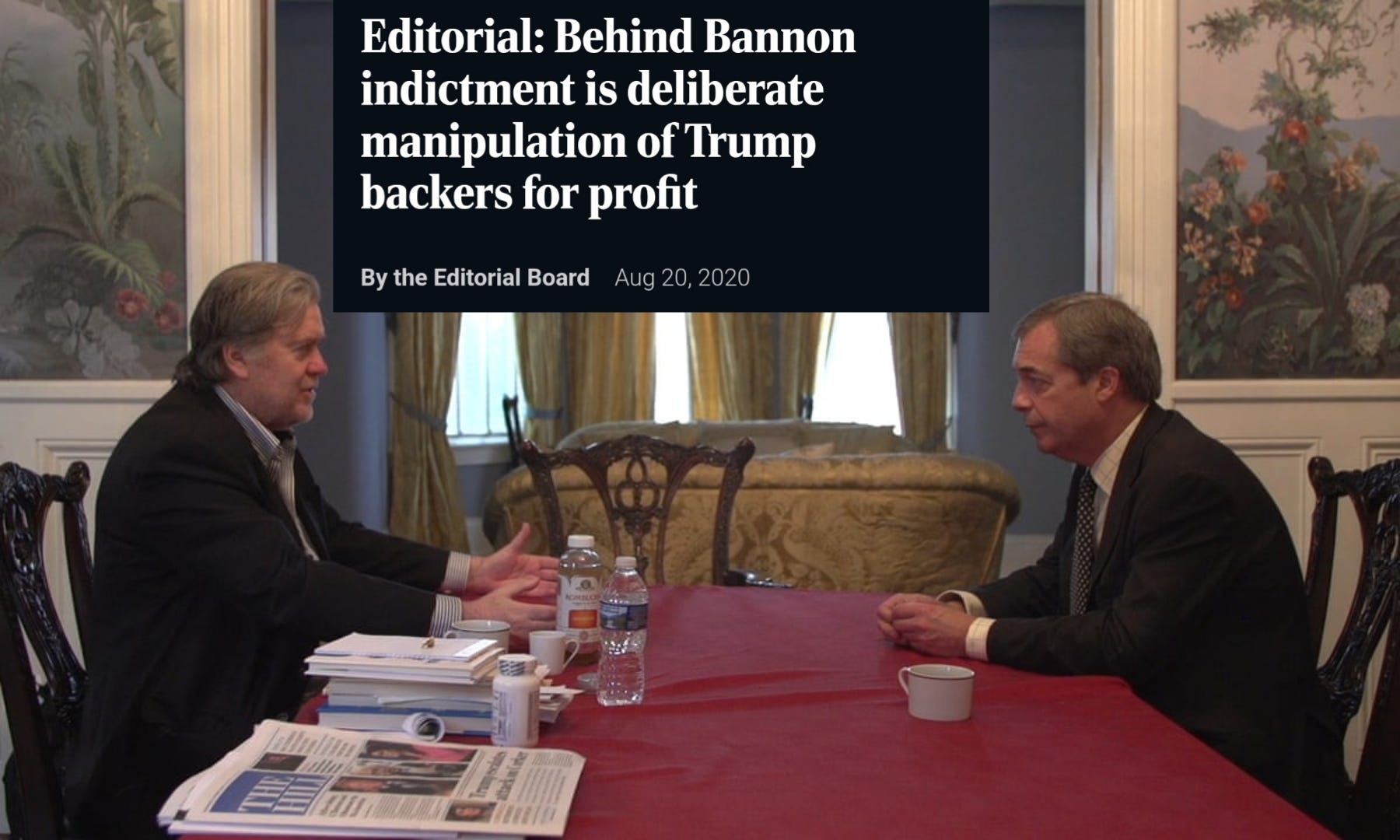
The Club for Growth sits inside a Republican ecosystem that has included figures like Steve Bannon at various points. Bannon’s own nonprofit fundraising efforts - notably the “We Build the Wall” saga - ended up in court over alleged misuse of funds. Different organisation, different case, but it hardened public scepticism about political nonprofits handling large sums of money.
And then there’s the Epstein shadow that hangs over any discussion of opaque financial structures. Epstein used foundations and intermediaries to move money through universities and elite networks while obscuring his role. That doesn’t tie him to this payment. There’s no evidence he was involved with the Club for Growth in this context. But his case permanently changed how people look at nonprofit vehicles linked to politics and influence.
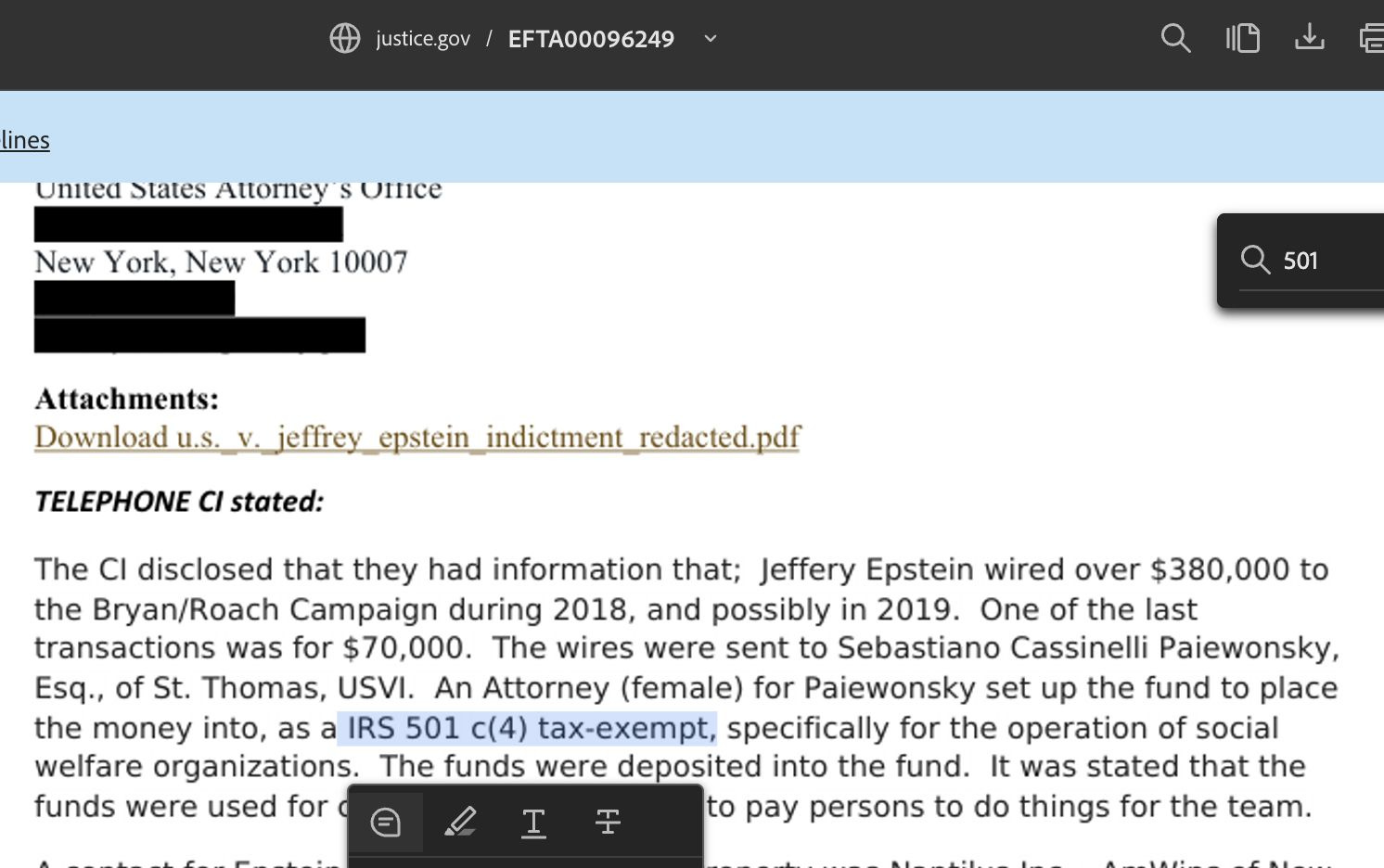
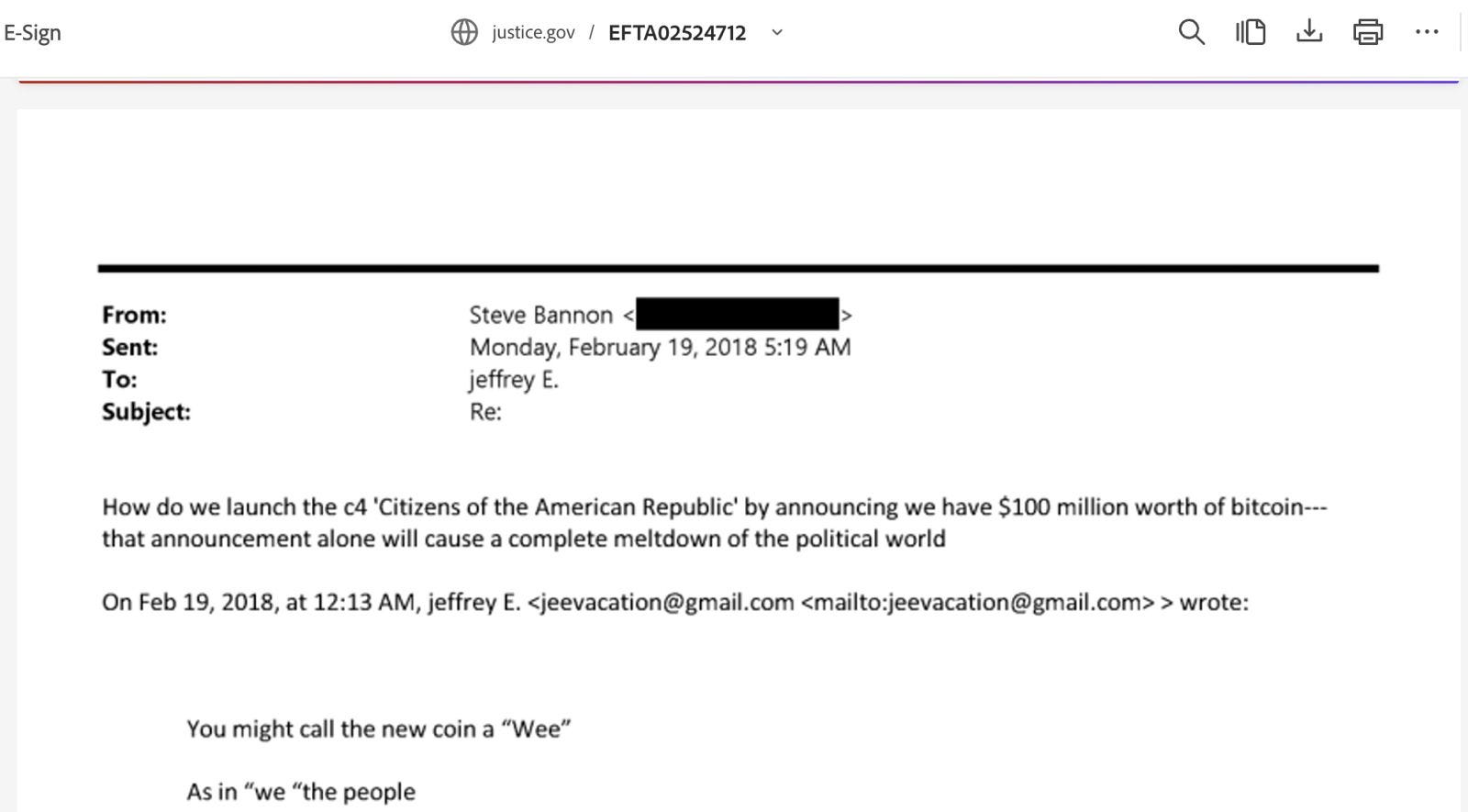
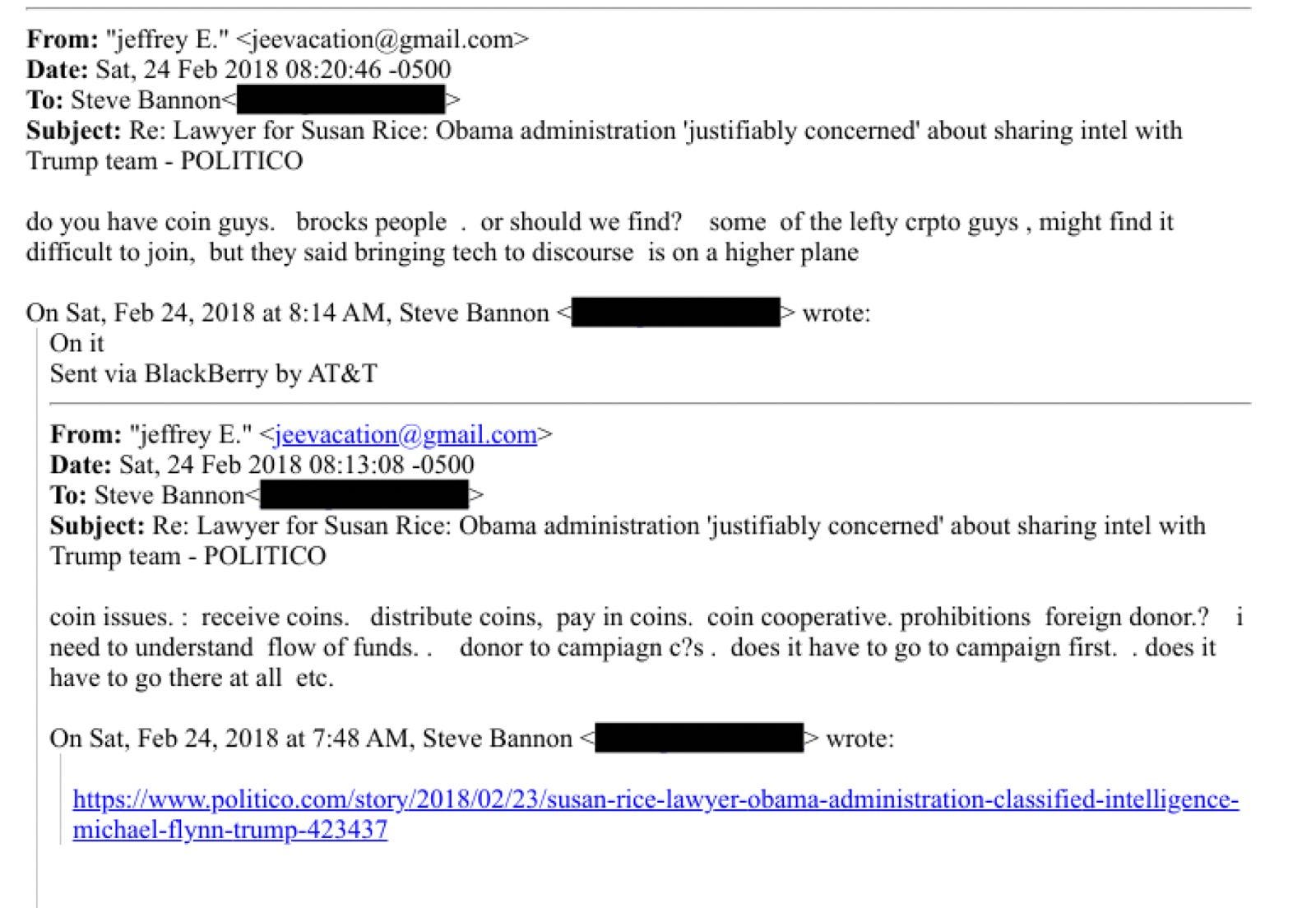
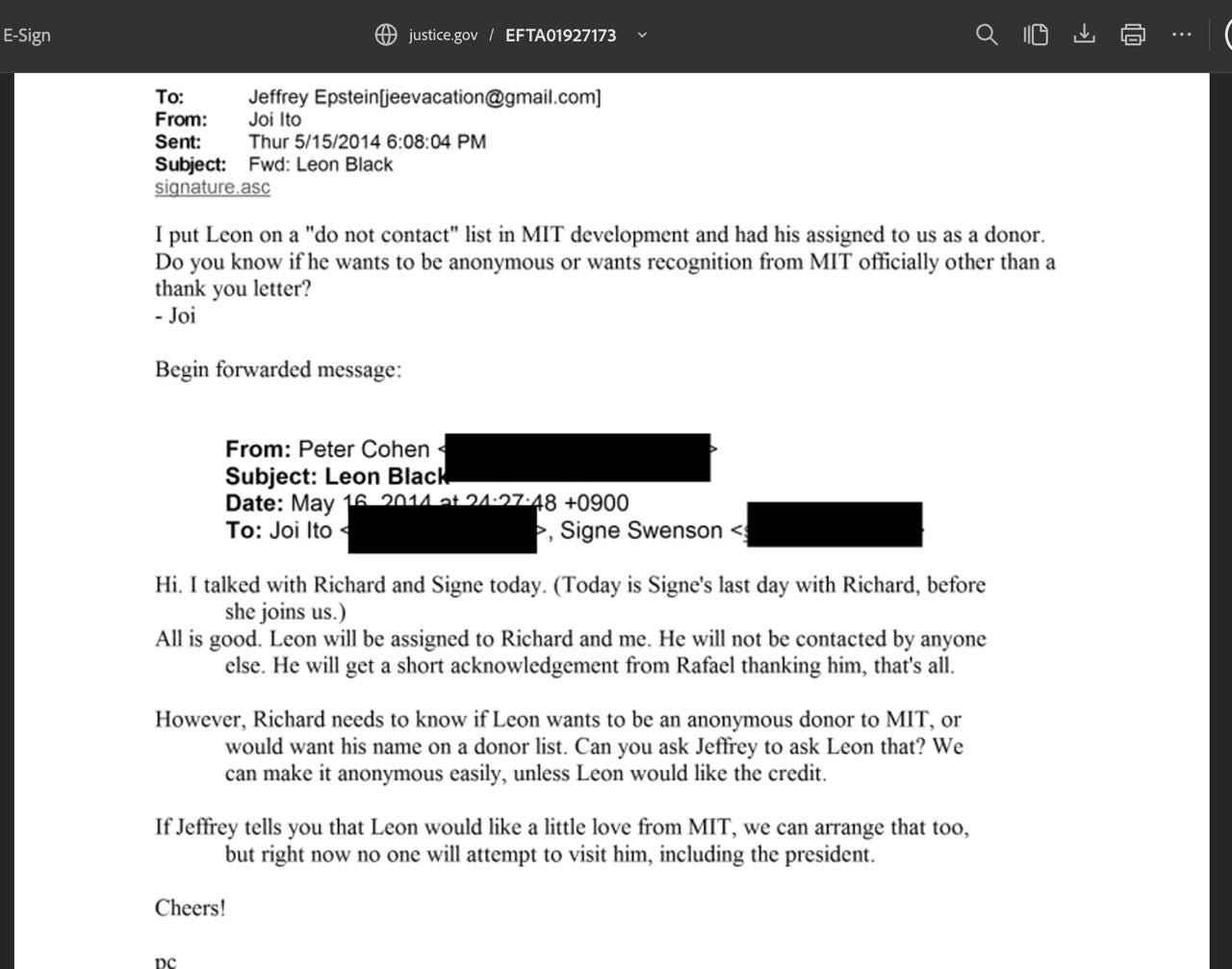
Talking about Epstein, it is now known that him and Bannon were working closely together in what looks like illegal campaign financing. The exchanges below from the Epstein Files database exemplifies their relationship. They discuss using $100m of cryptocurrency and C4 structures. Several MIT-linked C4s were used by Epstein to finance politicians, notably with the help of Joi Ito.
Maybe it was just a speech. That’s entirely possible. Politicians get paid to talk. Washington hosts plenty of events.
But £27,856.88 coming from an organisation that raised $164 million to influence American elections isn’t just another corporate honorarium. It’s money originating inside a political machine.